
PROJECT
The Central Cottage
Regional Victoria
A period cottage with genuine character, renovated for resale within a twelve-month period by focusing on the decisions that mattered most.
This project was approached as a resale renovation with a defined timeframe. The work was directed towards the areas that shape how a home is understood — the street presentation, the kitchen, the bathroom and the overall consistency of the interior — while the cottage's original character was deliberately retained.
The challenge
The cottage presented poorly despite being structurally sound. Dated colour choices, a closed-in frontage and two heavily worn wet areas made the home feel far more compromised than it actually was. The temptation was to renovate everything; the risk was spending broadly and achieving very little in the areas that shape first impressions.
Our approach
The plan was to be selective — improve what buyers read first, retain what gave the home its character, and avoid work that would not change how the property was perceived.
- Reset the street presentation through colour, trim and garden simplification
- Renovate the kitchen as the strongest interior decision
- Update the bathroom to a clean, functional standard rather than an elaborate one
- Retain original period detailing, timber flooring and the existing floor plan
- Keep finishes consistent from room to room so the home reads as one considered project
- Avoid structural change where the existing layout was already workable
The result
A cottage that reads as cared for and considered rather than heavily reworked. The character that made the home appealing remains intact, while the areas that previously undermined it now support the rest of the property.
Before + after
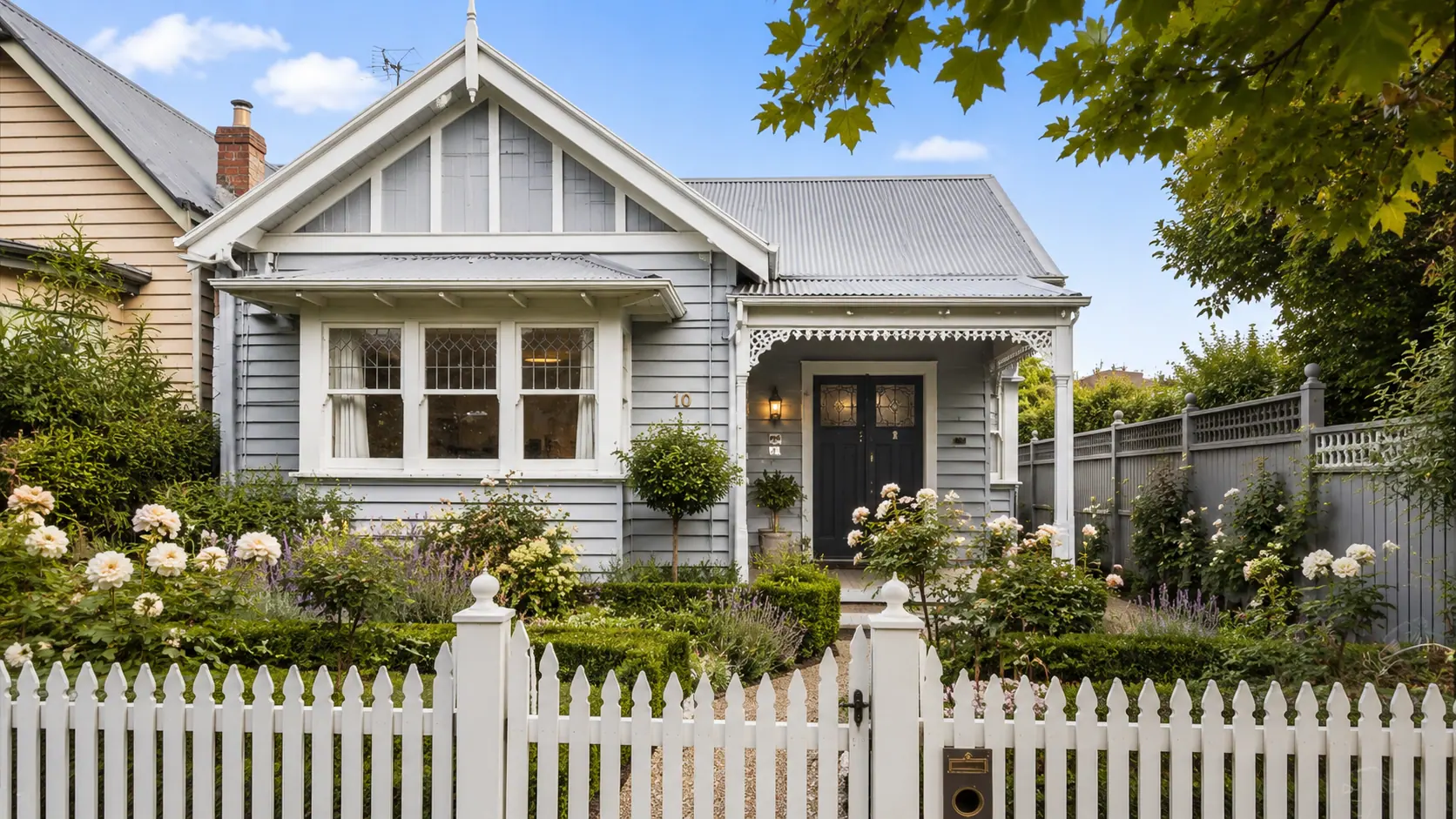
The frontage set the tone for everything else.
Before any interior work was considered, the question was what a buyer would think in the first ten seconds.
The cottage's proportions and period detail were genuinely appealing, but the colour palette and planting were working against them.
Changing how the home presented from the street cost far less than structural work and changed the impression of the entire property.
BYR Thinking
First impressions are formed before anyone walks inside. That makes presentation one of the highest-value decisions in a resale renovation.
Swipe the arrow, or tap Before and After, to compare.Swipe the arrow to compare.
Regional Victoria
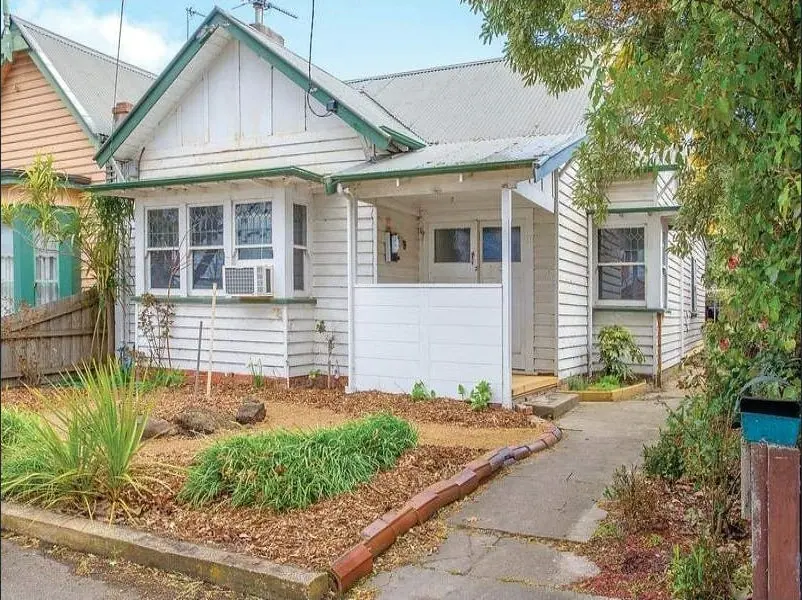
The street presentation was doing the home no favours.
The cottage had good bones and period character, but the enclosed porch, heavy trim colours and overgrown frontage made it read as tired before anyone reached the front door. The strategy was to reveal the character that was already there rather than change the style of the home.
- Retained
- The weatherboards, roof form, verandah structure and original period detailing.
- Changed
- Paint colours, trim contrast, front garden simplification and entry presentation.
- Reconsidered
- Whether structural work to the front of the home was needed, or whether presentation was the real issue.
The strategy
Improve what shapes perception. Retain what gives the home character.
With a defined resale timeframe, every decision had to earn its place.
The strategy separated the work into three categories: what genuinely needed to change, what only needed to be refreshed, and what should be left exactly as it was.
Original detailing, the existing layout and the period features fell firmly into the third category. The kitchen, the bathroom and the street presentation carried the weight of the project.
This kept the scope focused and avoided spreading the budget across rooms that were already doing their job.
BYR Thinking
A shorter renovation timeframe usually calls for fewer decisions made well, rather than more decisions made quickly.
01
Resetting the street presentation
The character was already there. It simply wasn't visible.
Before
After
The original colour scheme flattened the cottage's detail and made the frontage feel closed off.
A revised palette gave the weatherboards a calmer base tone with crisp trim, allowing the period profiles and verandah structure to be read properly for the first time.
Simplifying the planting opened up the approach to the front door and let the architecture, rather than the garden, define the impression.
BYR Thinking
Presentation work is often mistaken for cosmetic work. On a period home, it is frequently the decision that changes the most.
02
The kitchen was the one room worth replacing
A single well-considered room can carry an entire interior.
Before
After
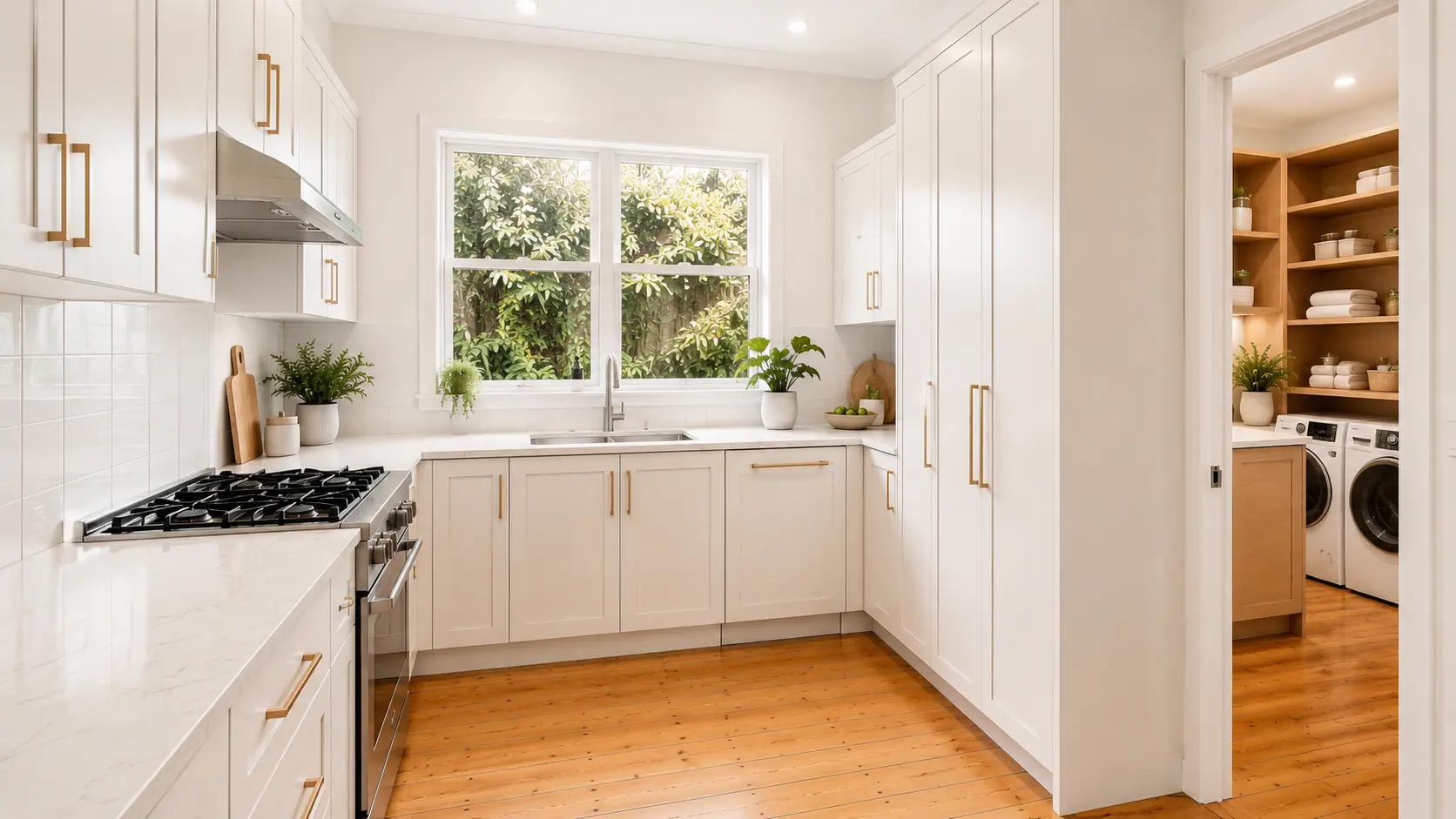
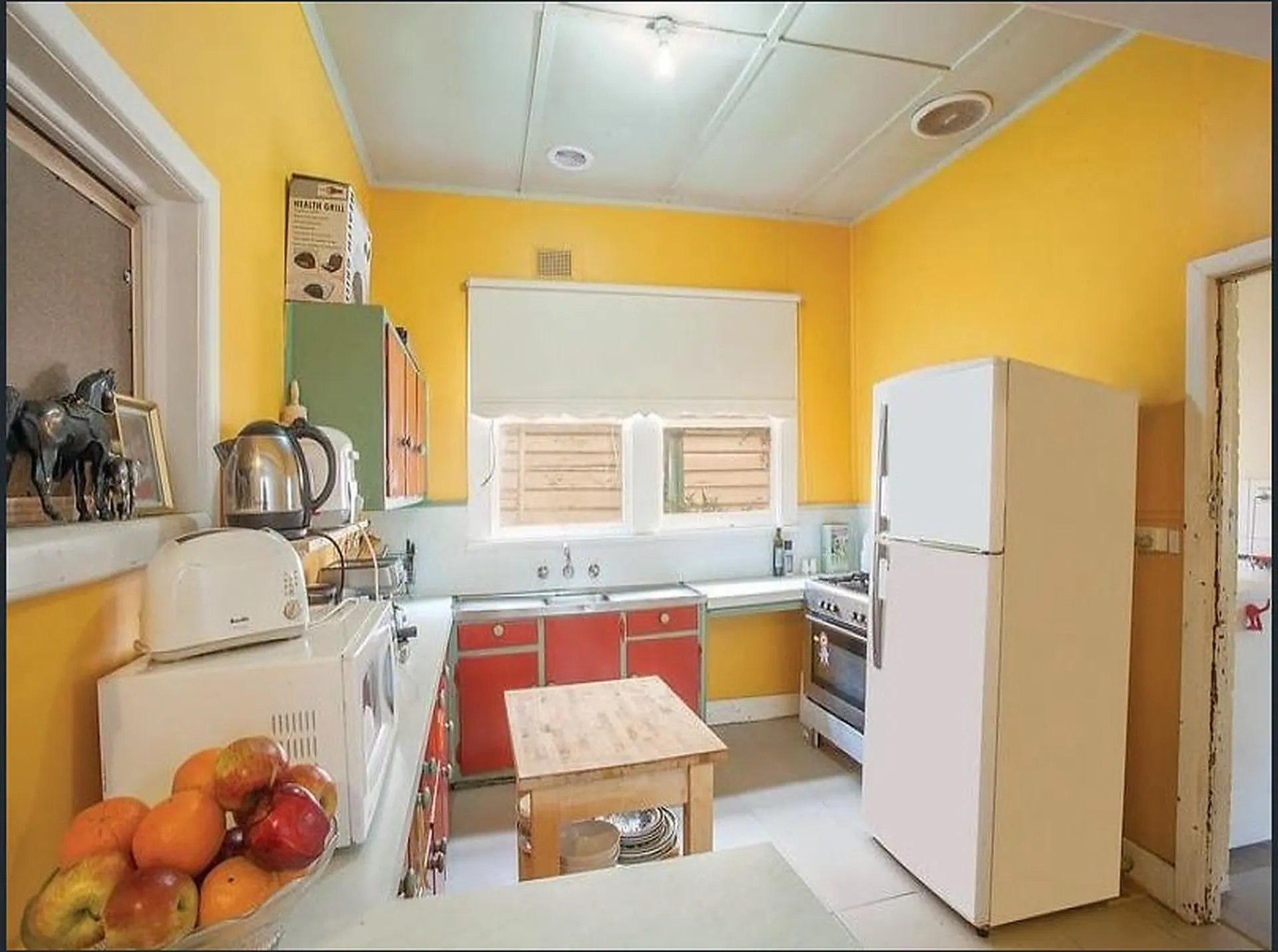
The original kitchen was the weakest space in the home — heavily dated, visually loud and difficult to look past.
Rather than distributing the budget thinly across the interior, the kitchen was replaced properly with a simple, light palette that suited the age and scale of the cottage.
The existing timber flooring was retained and carried through, keeping the new work grounded in the character of the home rather than reading as an insert from a different era.
BYR Thinking
When budget is limited, one room done well will usually do more for a home than several rooms done partially.
04
A bathroom brought to a clean, functional standard
Sound, well-finished and appropriate to the home — not elaborate.
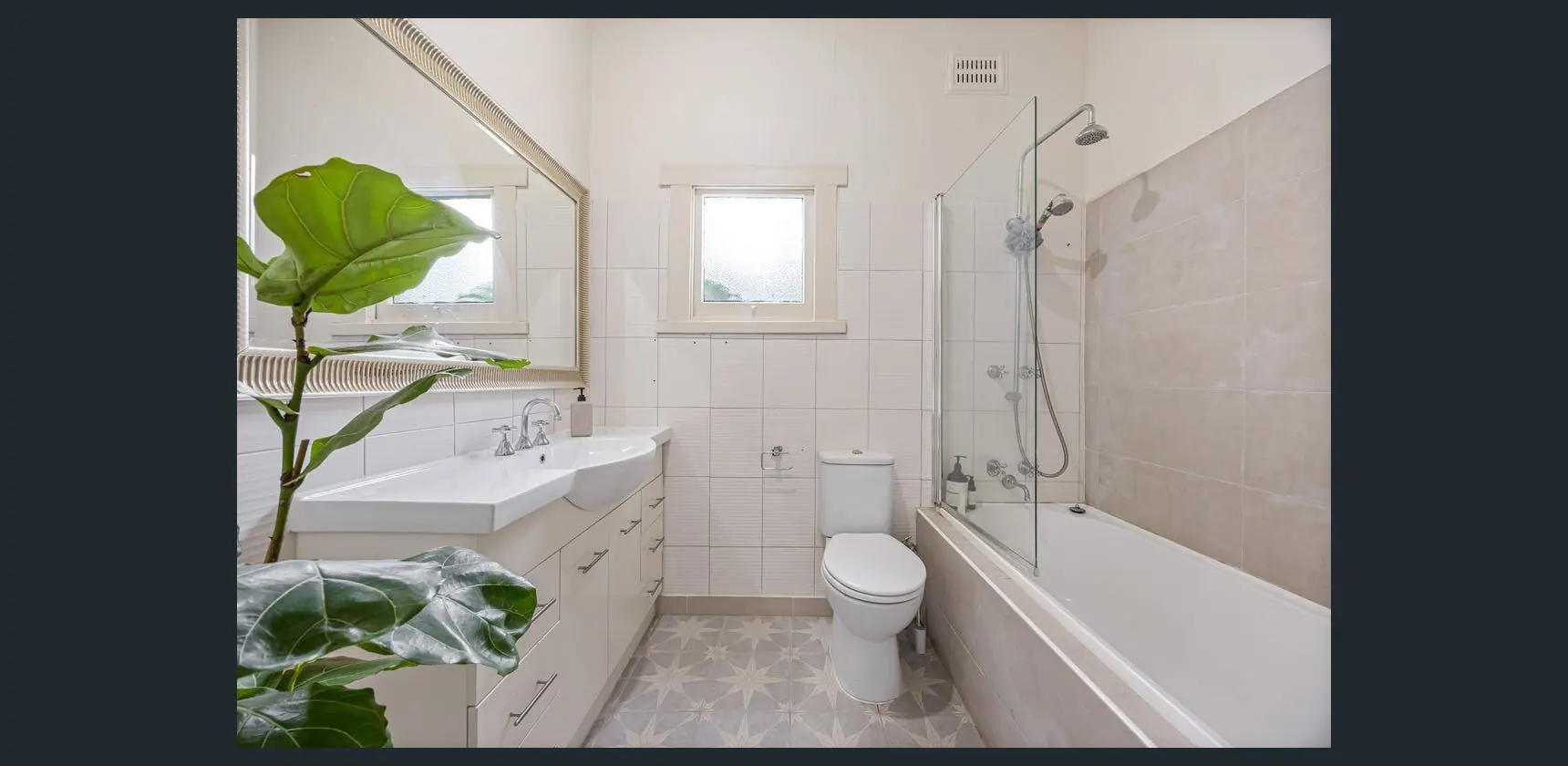
Before
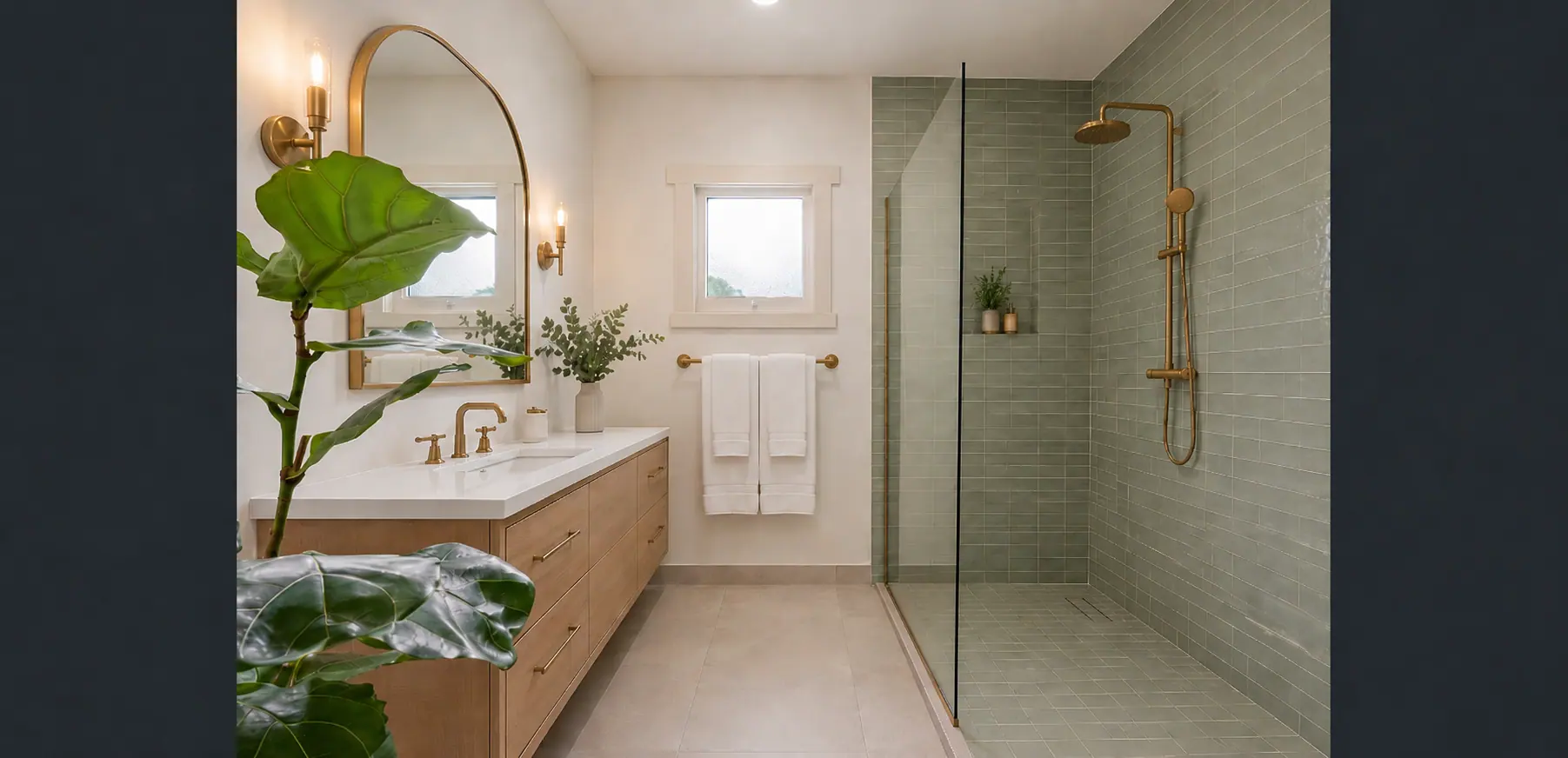
After
The original bathroom was worn and dated enough to raise questions about the condition of the rest of the property.
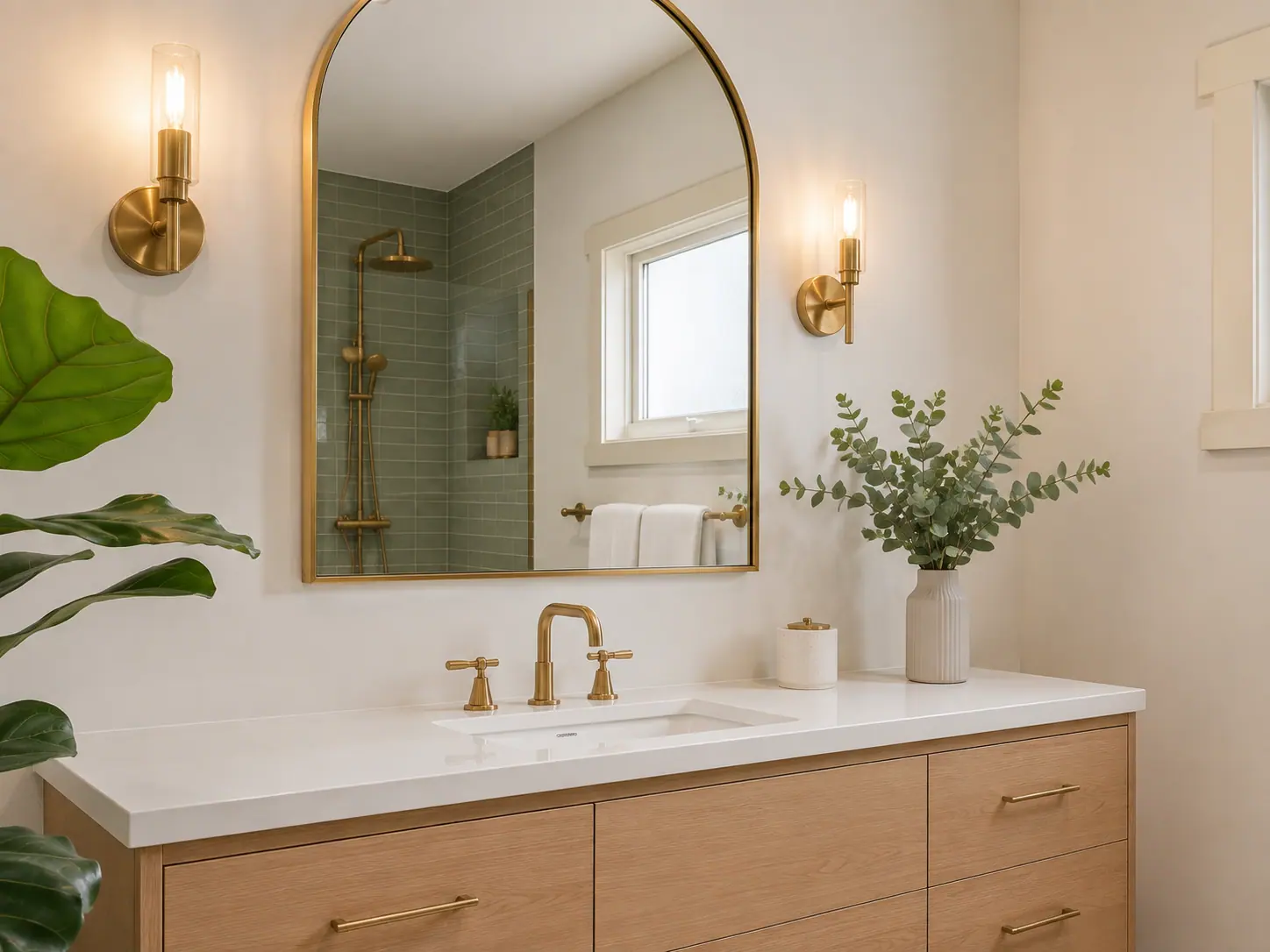
The replacement was deliberately simple: a durable, well-finished room with a clear layout, appropriate to the scale and age of the cottage.
Restraint here kept the room consistent with the kitchen and the wider interior, so the home reads as one project rather than a series of unrelated updates.
BYR Thinking
A bathroom does not need to be a feature. It needs to remove doubt about the condition of the home.
03
Retaining character while refreshing the home
Period homes lose value when their character is renovated out of them.
It would have been possible to modernise this cottage entirely. It would also have removed the reason someone would choose it over a newer home.
Original detailing, ceiling heights, timber floors and the existing floor plan were retained without alteration.
New work was kept quiet and consistent — a restrained palette, simple hardware and finishes that sit alongside the original fabric rather than competing with it.
The result reads as a home that has been looked after over time, not one that has been stripped and restarted.
BYR Thinking
Character is difficult to add and easy to remove. On an older home, retention is often the more strategic decision.
Where strategy made the difference
The cottage didn't need to be transformed. It needed to be understood.
Working to a resale timeframe meant the plan had to be clear before any work began.
- Directed spending towards street presentation, the kitchen and the bathroom
- Retained original period detailing, timber flooring and the existing floor plan
- Avoided structural change where the layout was already working
- Used colour and trim to reveal character rather than replace it
- Kept finishes consistent so the home reads as one considered project
- Kept the bathroom simple and appropriate to the age and scale of the home
- Left rooms alone where change would not have altered how the home is perceived
The strongest decision in this project was choosing what not to renovate.
Strategy before you spend
Not sure which parts of your home are worth renovating?
Older homes reward a clear plan. Knowing what to retain is often as important as knowing what to change.
A Renovation Strategy SESSION can help identify where your renovation budget is likely to make the greatest difference before you commit to plans, quotes or trades.