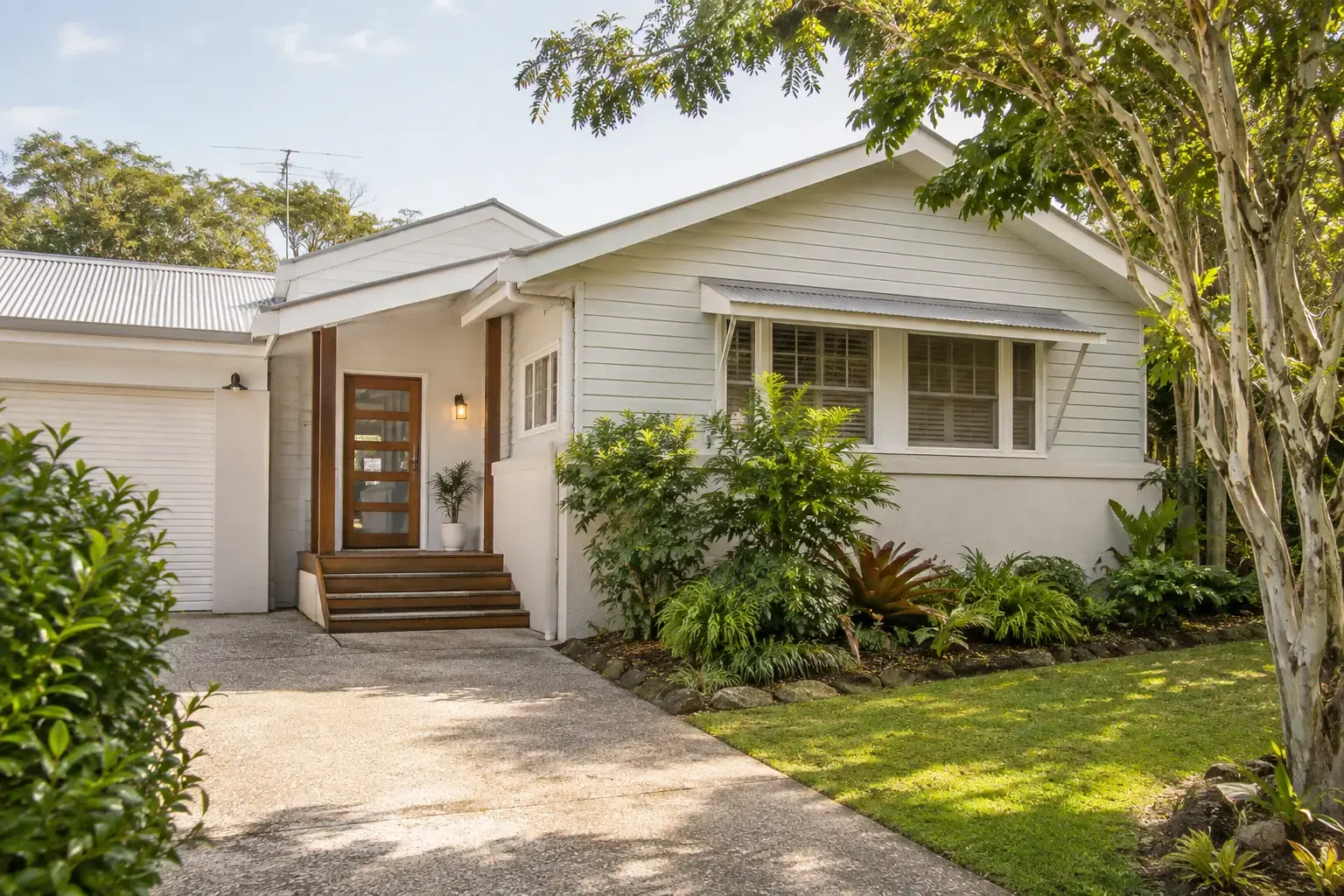
Street view of a well-maintained weatherboard home with tidy gardens

Pre-Sale Renovation Strategy · 7 min read

Renovating to Sell: What Buyers Actually Notice

3 August 2026

When preparing a property for sale, it is easy to assume that everything needs to look new.

This can lead to expensive renovations that do not necessarily improve the buyer's overall impression, or return enough to justify the cost.

The goal is not to create your dream home. It is to remove objections, strengthen presentation and help buyers see the property as comfortable, functional and easy to own.

01

The overall sense of care

Before buyers assess individual finishes, they notice whether the property appears well maintained.

Visible problems may create concern about what else could be wrong. Pay attention to:

  • peeling paint
  • damaged flooring
  • leaking taps
  • cracked tiles
  • mould or water staining
  • broken fittings
  • rusted hardware
  • damaged screens
  • untidy gardens
  • poor exterior presentation

Queensland conditions can be hard on homes. Salt, humidity, intense sun and heavy rain can quickly affect exterior surfaces and fittings. Addressing obvious wear can reassure buyers that the property has been looked after.
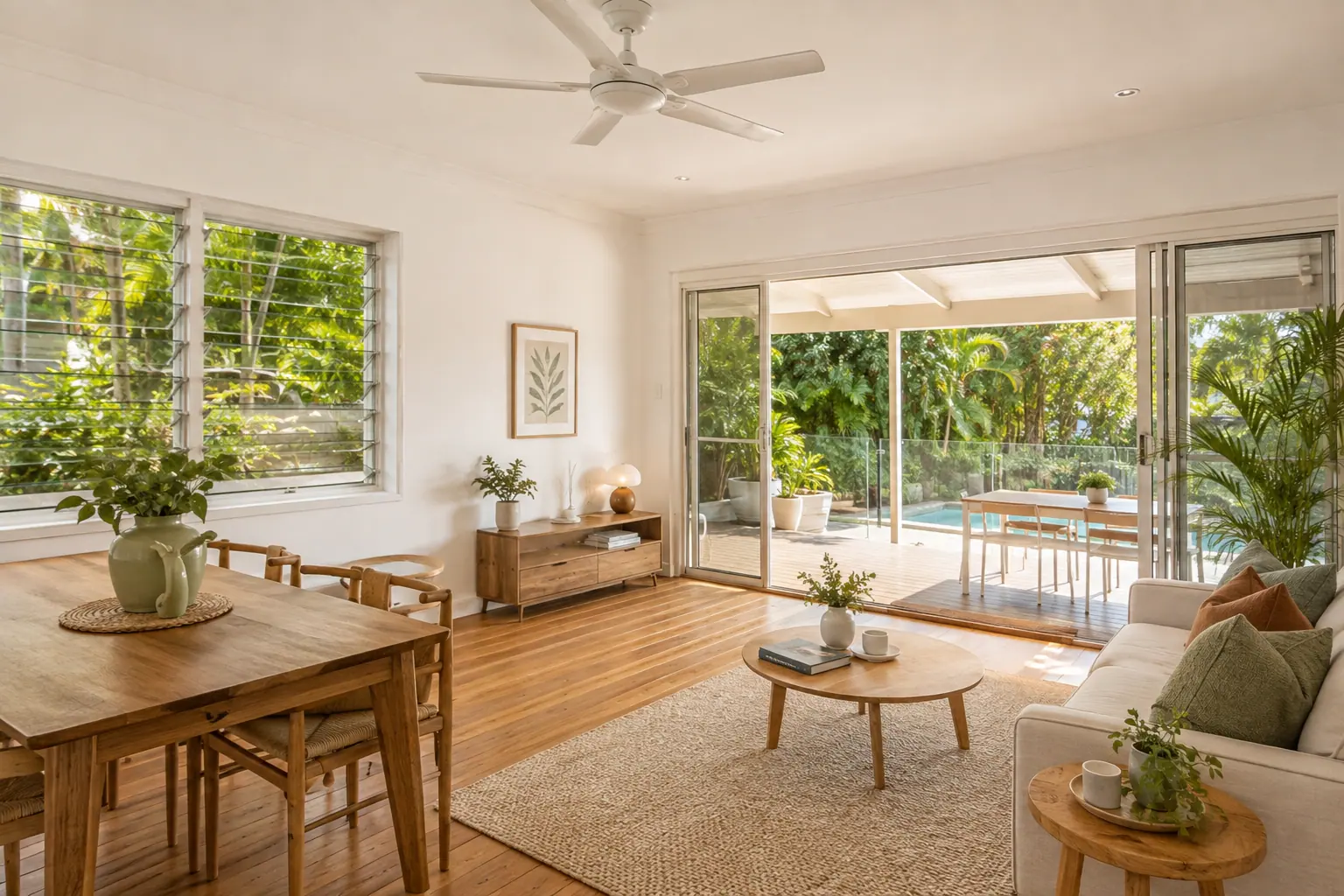
Open-plan living and dining space opening to a covered deck and pool

02

Light, airflow and temperature

A home that feels dark, enclosed or hot can be difficult to overcome with styling alone.

Consider:

  • opening blinds and removing heavy window coverings
  • improving lighting
  • repairing windows and doors
  • increasing the visual connection to outdoor areas
  • adding practical shade
  • improving natural airflow
  • ensuring fans and air conditioning work properly

Queensland buyers are often looking for a property that suits the climate and lifestyle, not one that requires constant effort to keep comfortable.

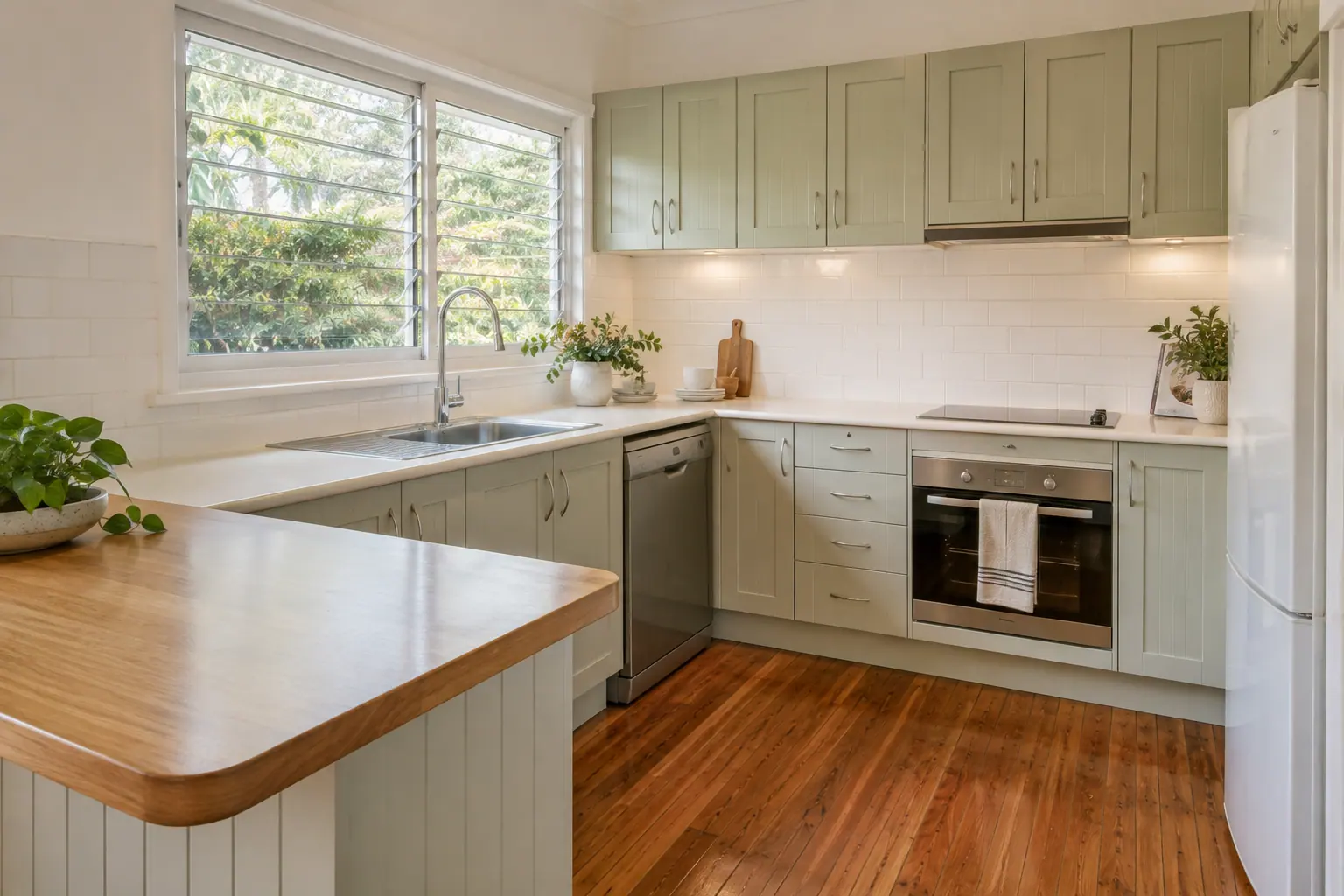
Neat sage-green kitchen with white tiled splashback and timber benchtop

The goal is not to create your dream home. It is to remove objections and help buyers see the property as easy to own.

03

The kitchen, without necessarily replacing it

The kitchen is highly visible, but a complete renovation is not always required.

Depending on its condition, useful improvements may include:

  • repairing damaged cabinetry
  • updating handles
  • improving lighting
  • replacing an outdated splashback
  • repairing or replacing damaged benchtops
  • repainting suitable surfaces
  • upgrading a visibly worn appliance
  • reducing clutter

The key question is whether the kitchen is simply dated or whether its condition and layout will become a significant buyer objection.

04

Bathrooms that feel clean and sound

Buyers may accept an older bathroom if it is clean, functional and well maintained.

They are less likely to overlook:

  • cracked or missing grout
  • mould
  • failed silicone
  • water damage
  • poor ventilation
  • damaged cabinetry
  • leaking fittings
  • signs of waterproofing problems

Cosmetic improvements should never be used to disguise underlying issues.

05

Practical storage

Storage often matters more than decorative features.

Buyers notice whether there is space for:

  • pantry items
  • linen
  • cleaning equipment
  • school and sports bags
  • outdoor equipment
  • surfboards and bikes
  • cars, trailers or boats
  • home office needs

A well-presented property should make everyday life appear organised and manageable.

06

The entry and outdoor areas

The approach to the home sets expectations before a buyer steps inside.

Focus on:

  • a clear and welcoming entry
  • tidy landscaping
  • pressure-cleaned surfaces
  • safe paths and stairs
  • functional outdoor lighting
  • privacy from neighbours
  • an outdoor area that feels usable
  • a strong connection between inside and outside

A large outdoor area is not automatically appealing. Buyers need to understand how they could use it.

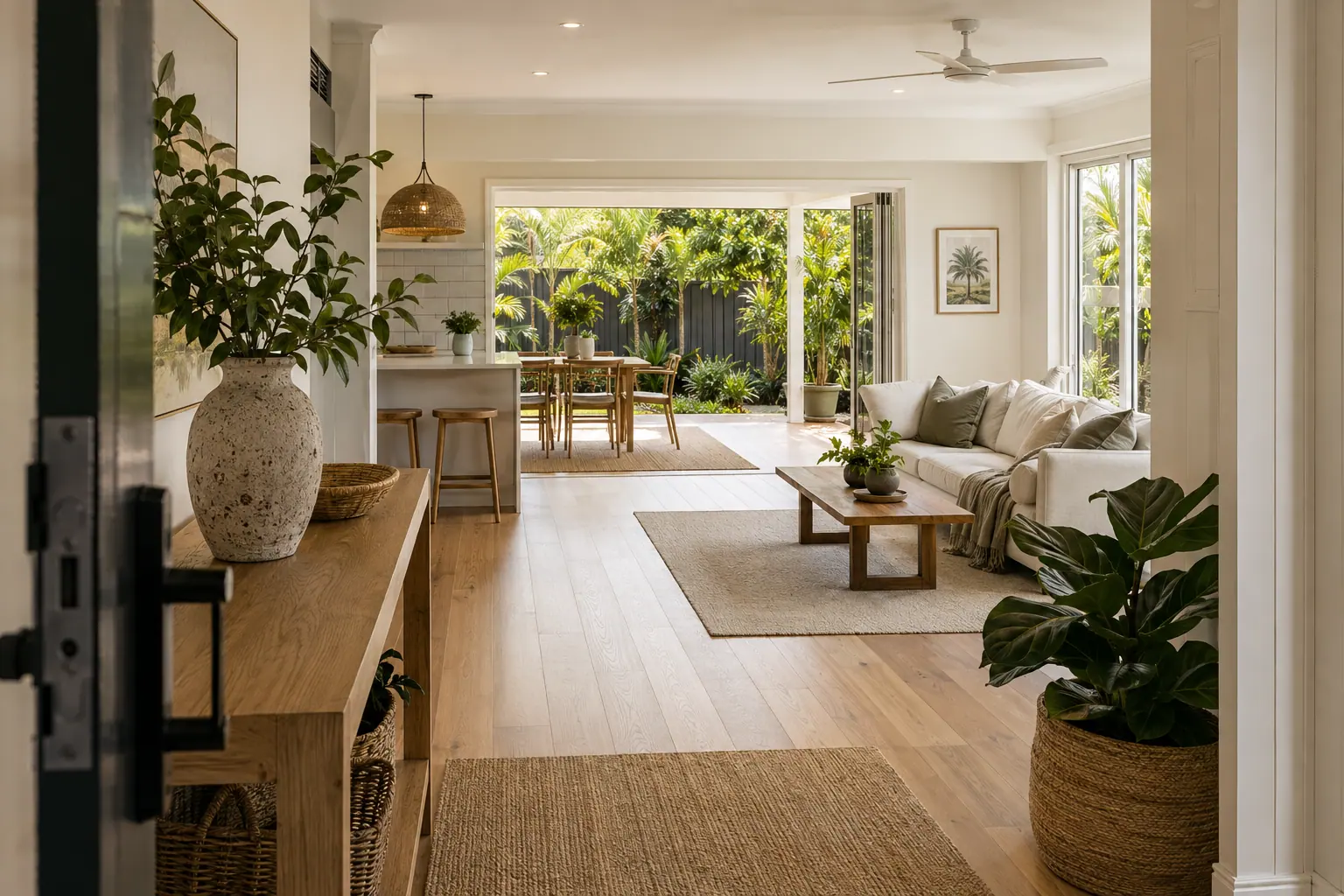
Entry view through an open-plan living area to a leafy outdoor courtyard

07

A consistent level of finish

One completely renovated room can make the untouched areas feel worse.

Before investing heavily in a single space, consider whether the budget would have a greater impact across:

  • maintenance
  • paint
  • flooring repairs
  • lighting
  • landscaping
  • minor kitchen and bathroom improvements
  • decluttering and presentation

A consistent, well-maintained property can feel more convincing than one premium room surrounded by obvious unfinished work.

Renovate for the likely buyer

Before spending, clarify:

  • who is most likely to buy the home
  • what they are likely to value
  • which issues may discourage them
  • which improvements will strengthen presentation
  • which projects are unlikely to recover their cost
  • whether selling in its current condition may be the better option

Strategy before you spend

Know where pre-sale spending makes a meaningful difference.

Before You Renovate helps Sunshine Coast homeowners identify where pre-sale spending is likely to strengthen the result, and where it may not.

Book a Property Strategy Session